Fly Fishing Spanish Pyrenees, The Complete Guide
A Complete Guide for Fly Fishing in the Spanish Pyrenees: Trout, Tradition, and Technique
Europe’s Hidden Trout Sanctuary
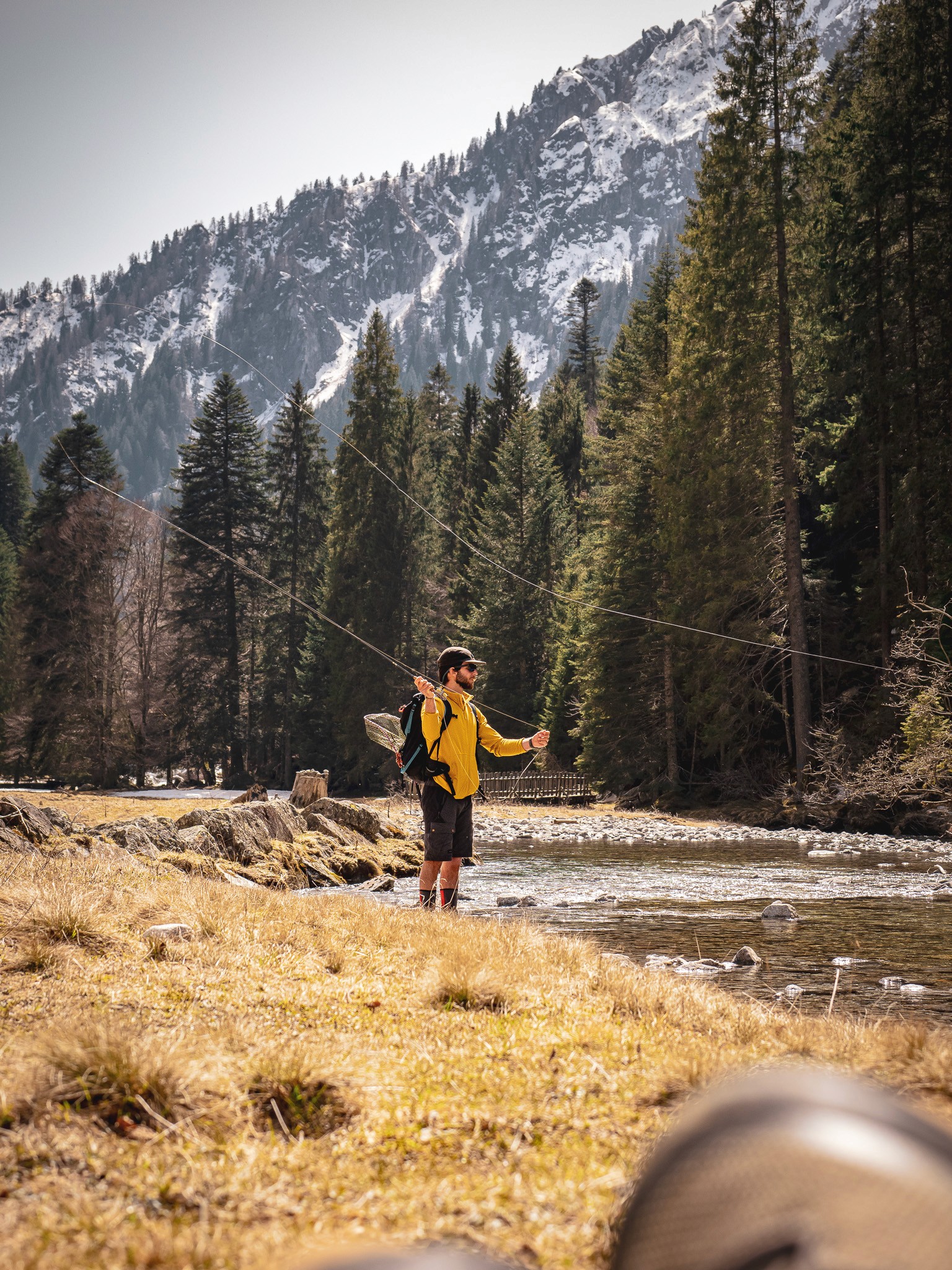
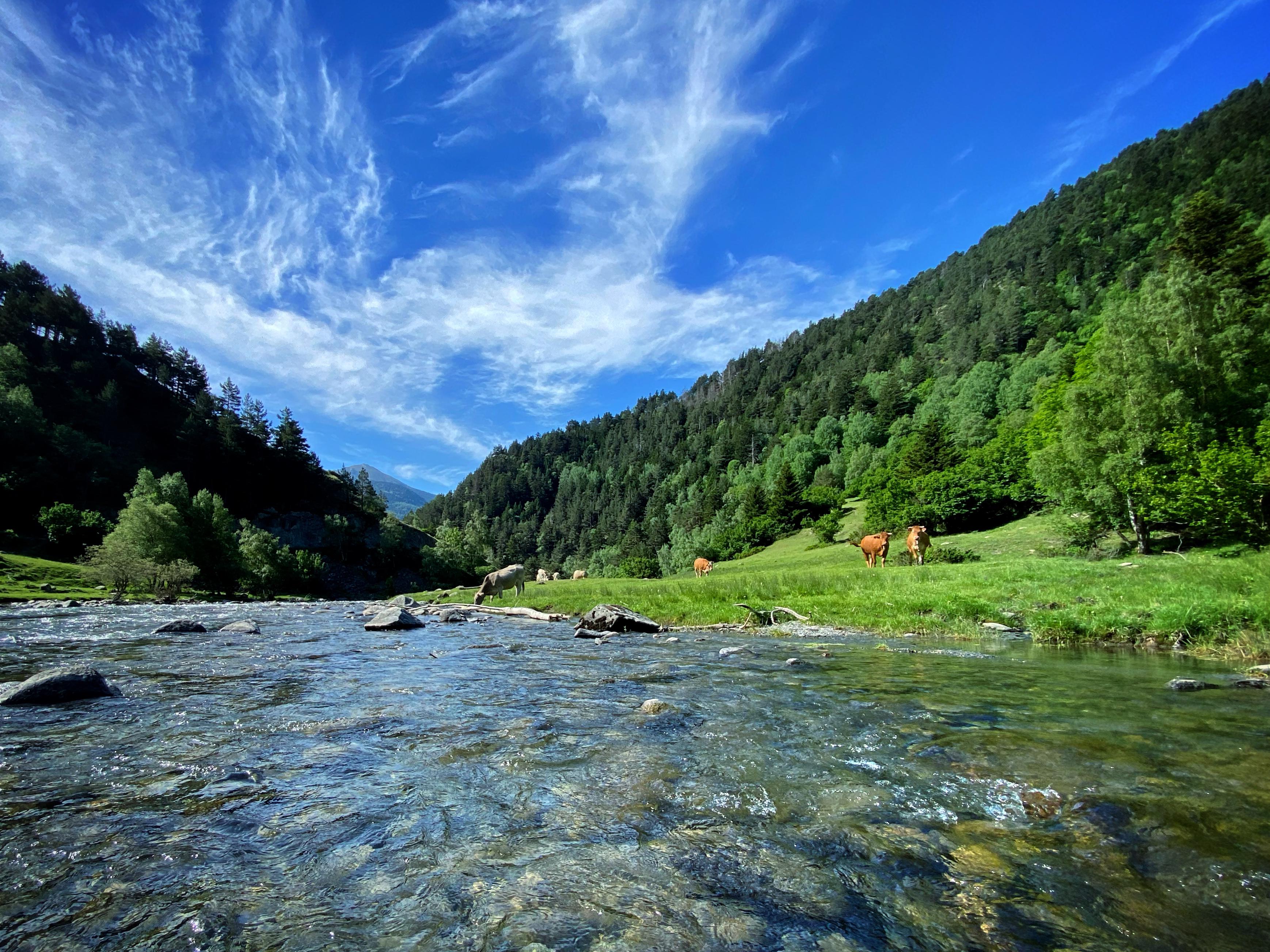
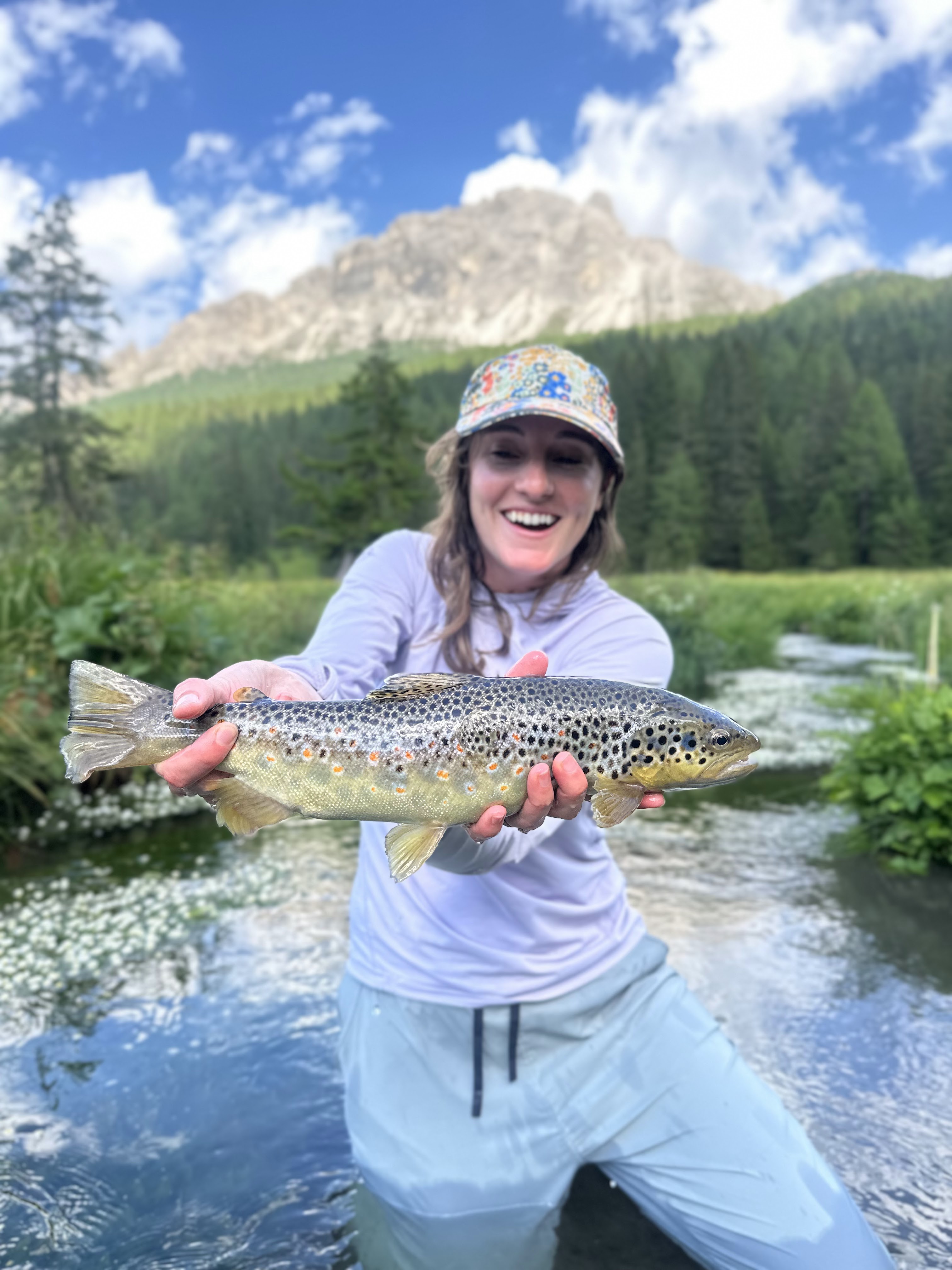
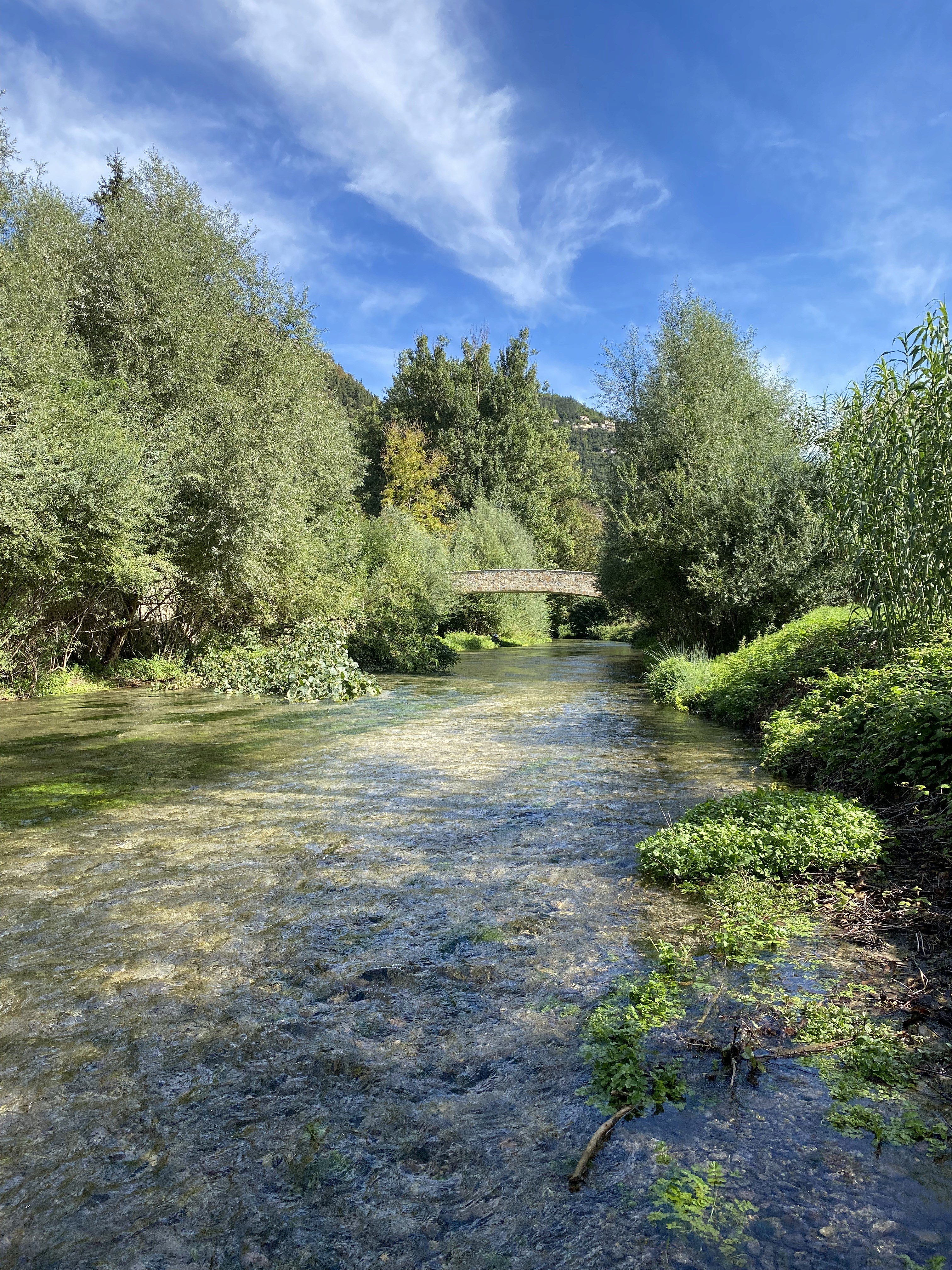
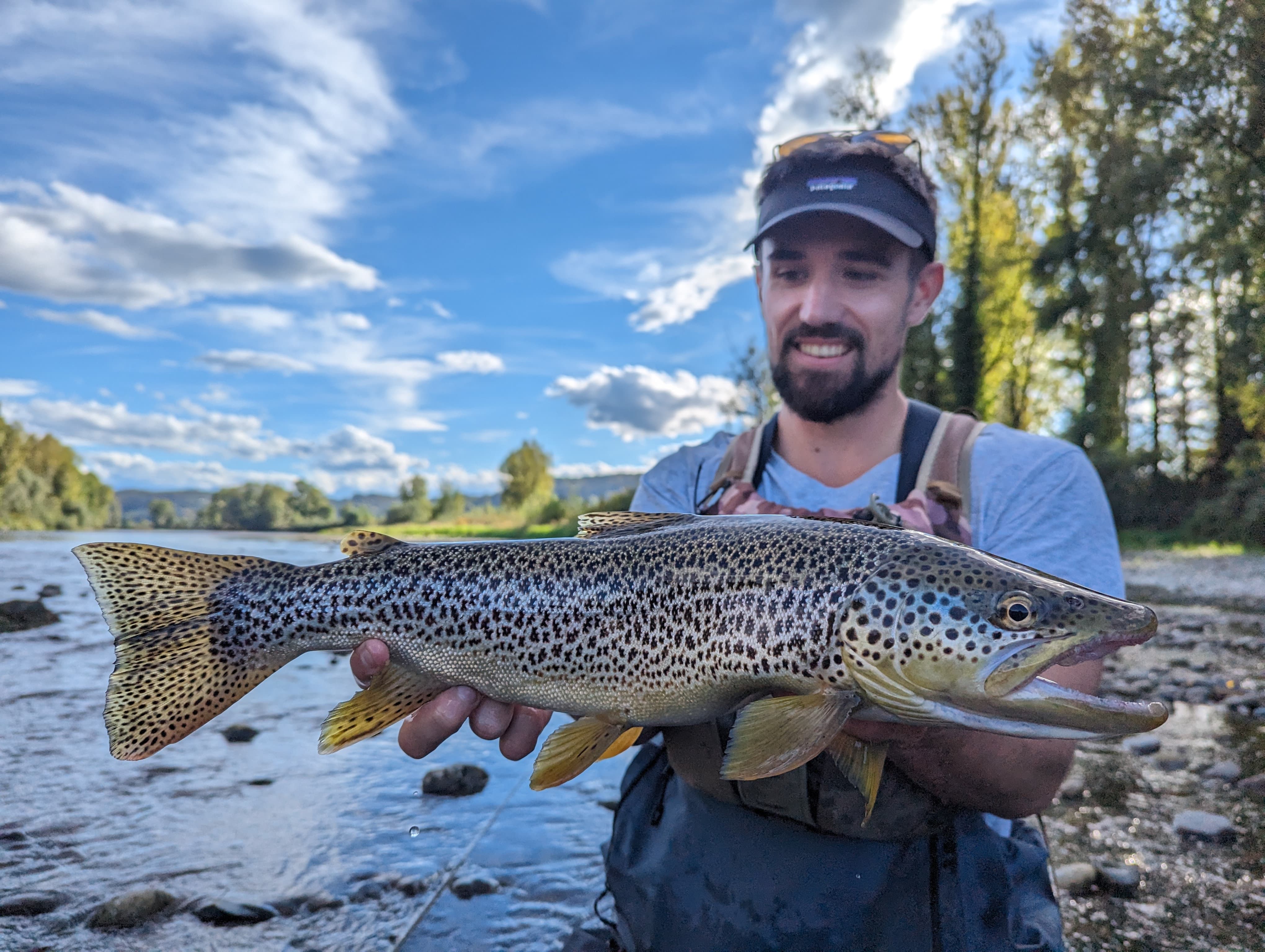
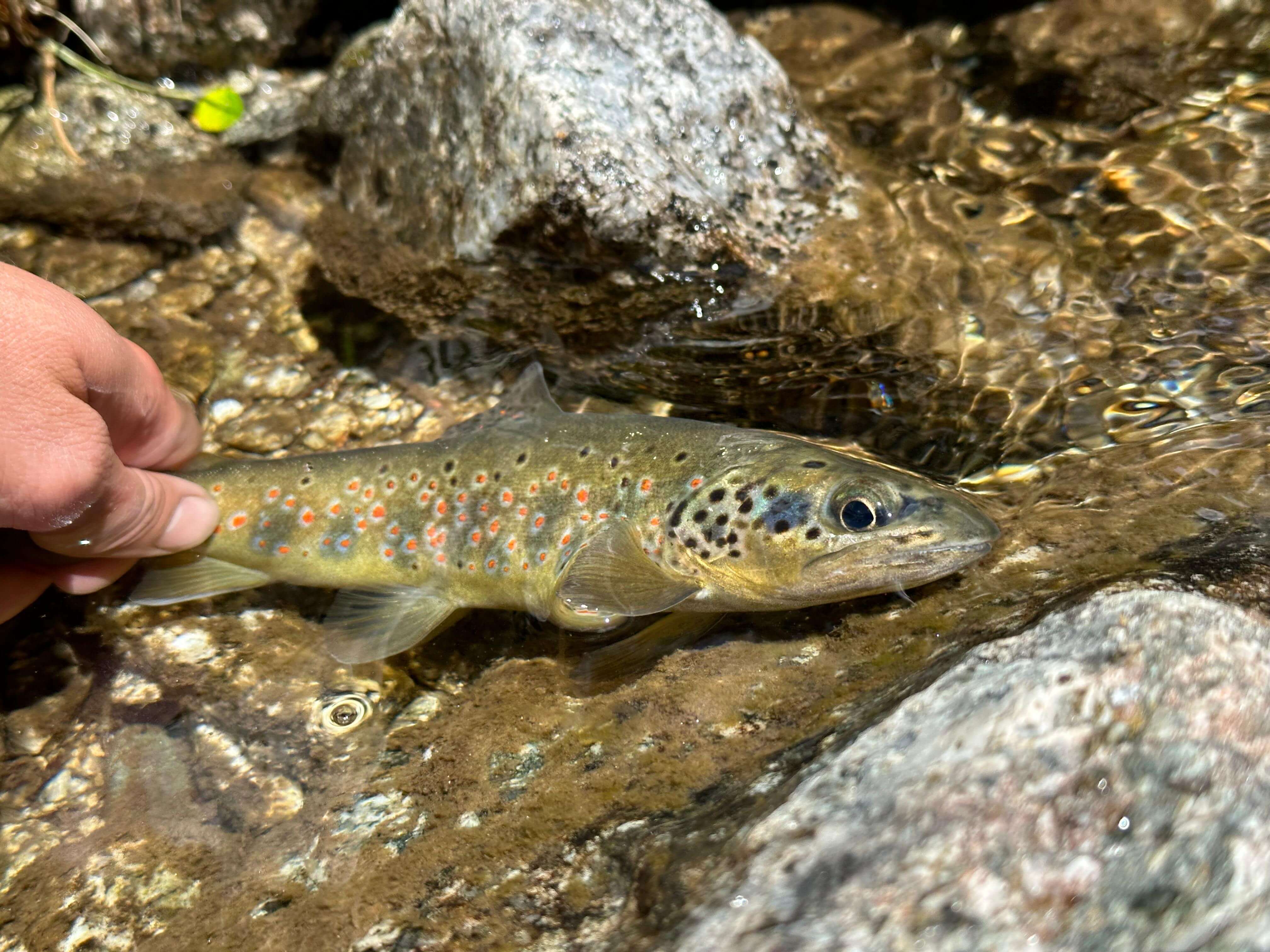
The Pyrenees mountain range, forming the natural border between France and Spain, is a sanctuary for European fly fishing. While the French side is famed for its technical nymphing, the Spanish Pyrenees offer a vast, diverse, and arguably wilder experience, characterized by classic dry fly fishing, protected rivers, and a rich angling tradition. This region, encompassing areas like Catalonia and Aragon, is an essential destination for any angler seeking Brown Trout (Salmo trutta fario) and the endemic Zebra Trout (Salmo trutta zebra).
This guide provides an expert overview of the technical demands, unique regulations, and best practices for planning a successful trip. We will dive into the seasonality, necessary gear, and the critical role of local knowledge when pursuing the wariest trout in the Iberian Peninsula.
Gear and Technique: Precision and Finesse
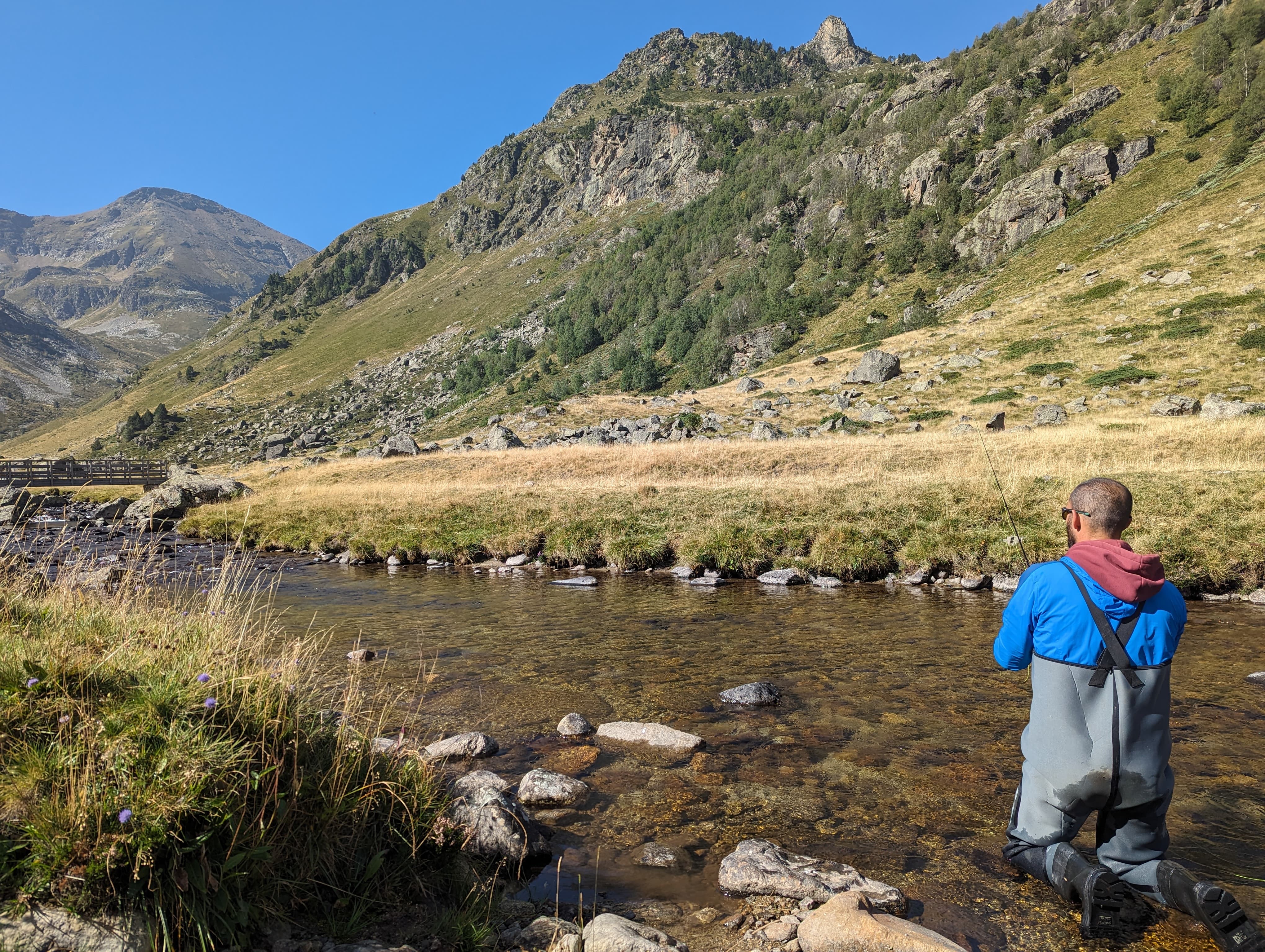
Fly fishing in the Pyrenees is a game of finesse, especially during the dry fly season. The clear, low-water conditions demand long, fine leaders and impeccable presentation.
Component | Preferred Specification | Rationale for Pyrenees |
|---|---|---|
Rod Weight | 3wt or 4wt (10 ft) | Ideal for light tippets, small flies, and delicate presentation needed in clear rivers. |
Rod Action | Mid to Mid-Fast Action | Provides the necessary feedback for casting tiny dries while protecting light leaders. |
Primary Line | Weight-Forward Floating Line (WF) | Essential for roll casting and managing line control in mountain streams. |
Leader | 12ft to 15ft Tapered Monofilament | Required for separating the fly from the fly line shadow on clear water. |
Tippet Strength | 5X to 7X Fluorocarbon | Crucial for stealth; $7\text{X}$ often necessary for small dries in low water. |
Key Flies | Parachute Adams, Small Caddis, Terrestrials (Hopper, Ant) | Dry flies are dominant; small nymphs (Perdigones, Pheasant Tail) for pocket water. |
The Pyrenean Philosophy: "In the Pyrenees, a perfect drift with an average fly will out-fish a poor drift with a perfect fly every single time. Finesse, not force, is the rule."
Logistics and Regulatory Challenges
Successfully fishing the Spanish Pyrenees is as much about mastering the local regulations as it is about mastering the cast. This is where specialized planning becomes invaluable.
Navigating the Cotos (Controlled Fishing Zones)
Unlike North American rivers, access to Spain’s premier fishing is highly regulated:
Permit Requirements: Fishing in a Coto requires a specific, expensive daily permit ($permiso$) that must be booked weeks or months in advance, often with quotas strictly limiting the number of anglers.
Catch Limits: Many Cotos are designated as "Catch-and-Release Only," but others have specific limits on size and number. Understanding the rules for each section is mandatory to avoid heavy fines.
Seasonal Shifts: The dates for Cotos change annually and vary by region (Catalonia vs. Aragon).
The Value of Local Fishing Authorities
Attempting to navigate the permits, optimal river rotations, and unpredictable weather shifts (e.g., sudden snowmelt) without a local guide is a recipe for wasted time. Local fishing authorities, who are deeply embedded in the region, secure the necessary permits, monitor the best fishing times daily, and provide seamless logistics.
For anglers seeking customized, all-inclusive experiences—which include securing complex permits, accommodation, and access to the best rivers—consulting specialized travel services is highly recommended. These services simplify your journey to the fly fishing Spanish Pyrenees by handling all regulatory hurdles.
Key Regions and Waters
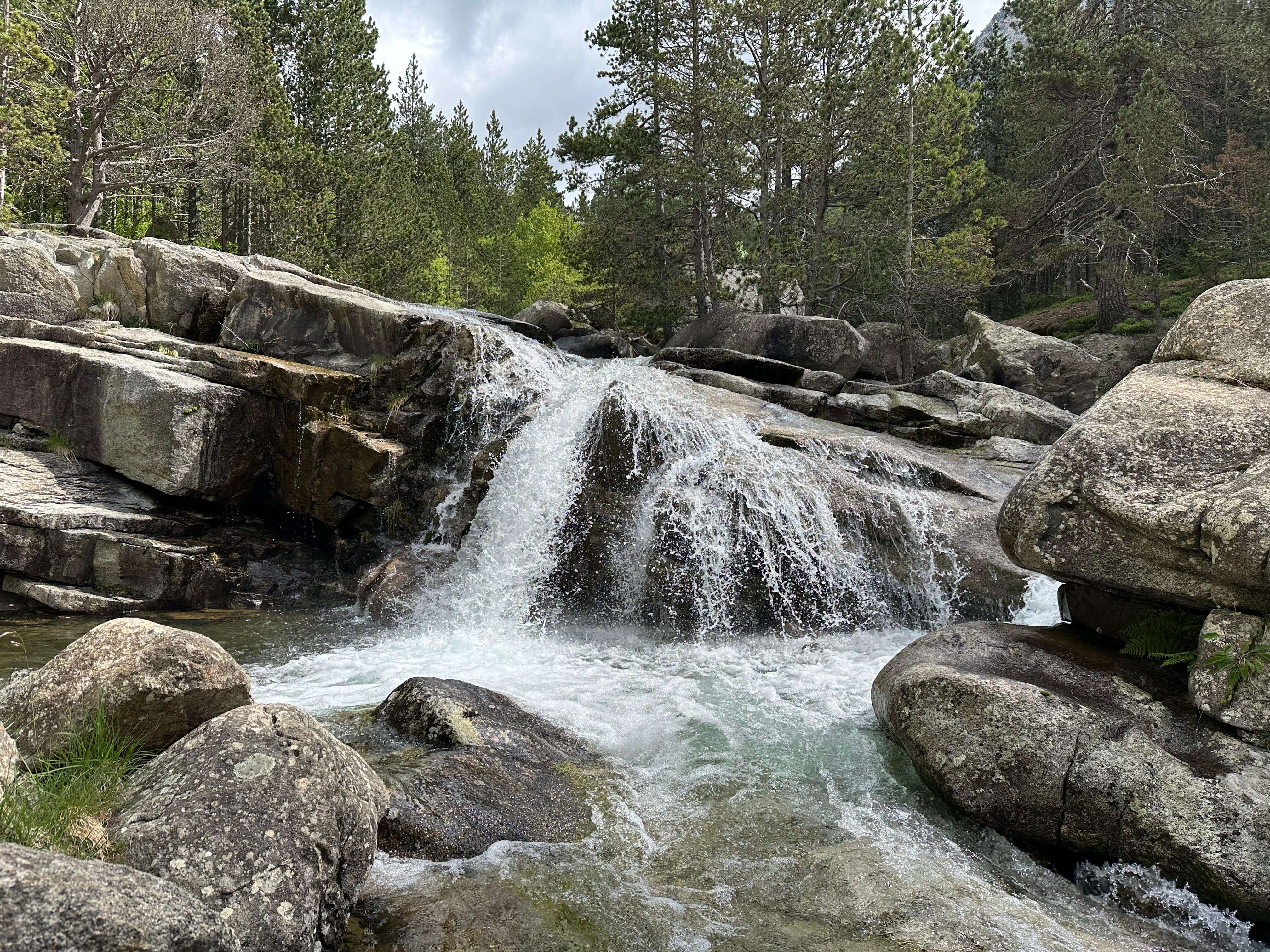
The vastness of the fly fishing Pyrenees demands focus. The best waters are typically found in the western zones of Aragon and the eastern zones of Catalonia.
Río Noguera Ribagorzana: A significant river offering excellent dry fly fishing in its headwaters and some robust nymphing opportunities downstream.
Río Gállego: Features stable flows and renowned Cotos, especially below the reservoirs, where trout grow large and feed heavily on consistent hatches.
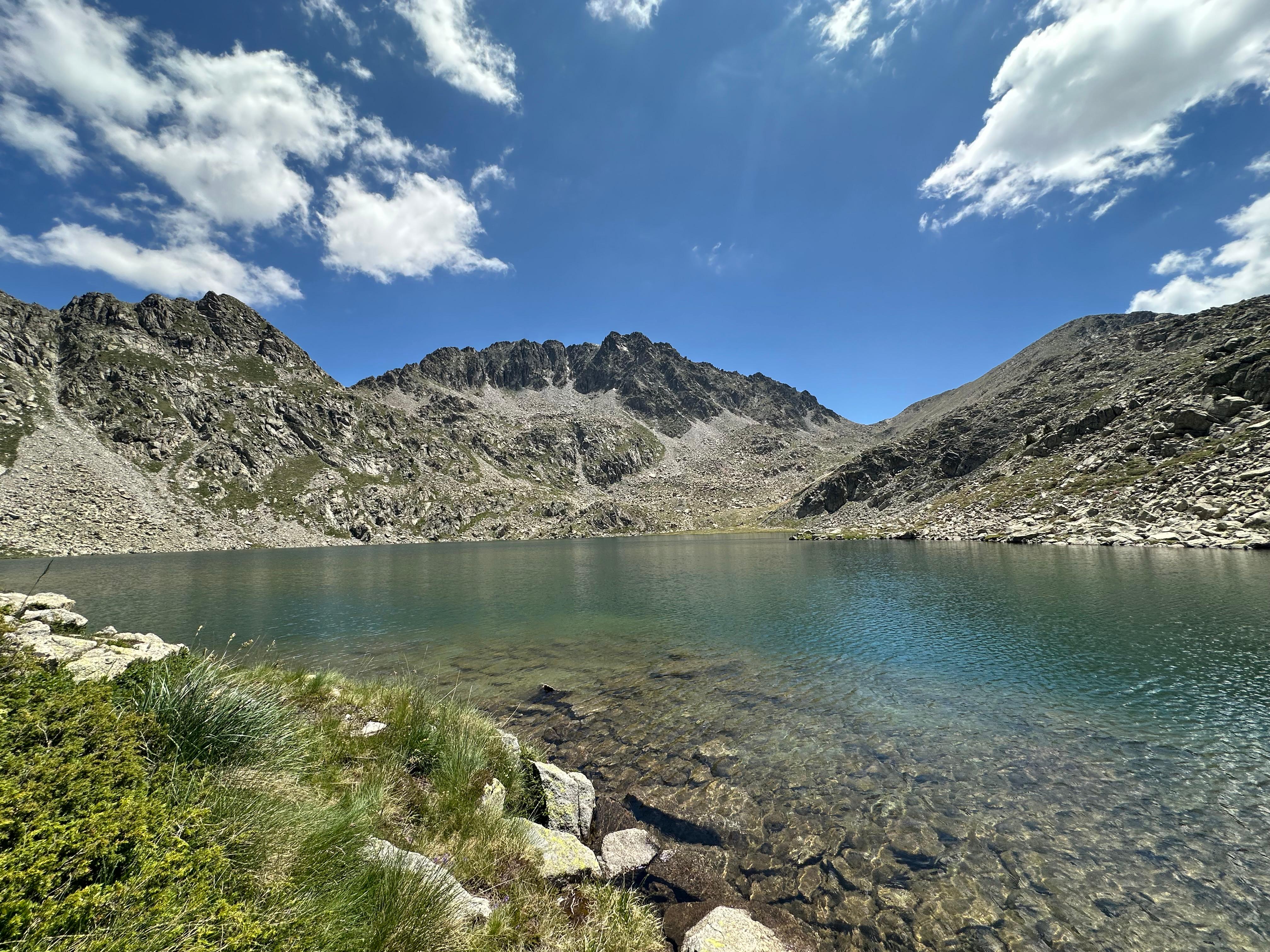
High Mountain Lakes (Ibones): These remote, pristine lakes often hold aggressive, smaller Brown Trout, providing a challenging hike-and-fish experience. They are excellent alternatives when the main rivers are too high or too warm. You can find detailed itineraries for exploring these high-altitude spots, including logistics and guiding, on services specializing in fly fishing the Pyrenees Spain.
Your Pyrenean Adventure Awaits
The Spanish Pyrenees offer a unique blend of challenging, traditional fly fishing and stunning, rugged landscapes. Whether you are dedicated to sight-fishing with a tiny dry fly on a crystalline river or pursuing the aggressive Zebra Trout in a remote Coto, success in this region depends on finesse, patience, and impeccable planning.
Do not let the complexity of permits and seasonal variability detract from your trip. For a seamless journey that ensures you are on the best water at the optimal time, rely on expert guides and specialized travel services. Book wisely, cast accurately, and prepare to experience the quiet grandeur of European fly fishing at its finest.